Re:Vision is reimagining what's possible in small towns across America.
By blending tradition with new ideas, we are reimagining what's possible for small towns.
HOW WE WORK
A grounded approach to revitalization
We are working for small towns across America.
Although they have been left behind by the modern economy, small towns are rich in community, land, water, and history. Re:Vision begins by seeing a town for its strengths, then identifying where the right investments can have the greatest impact. We bring resources and support to bring small towns into a thriving future.We look closely at food systems and water systems, main streets, land, and the people who hold it all together. We look at the bioregion. Our team connects authentically with the community before proposing a clear framework.Through a cooperative design process, we all push each other to ask bold “what-if” questions. Then we build, together.
ONE FRAMEWORK, & THREE DISTRIBUTIONS OF SCALE.
We are reimagining what's possible for small towns.
URBAN · ARCHIVE
Urban Re:Vision
Where it began: design competitions and workshops that reimagined the sustainable city block. Now an archive.
SMALL TOWN · NOW
Small Town Initiatives
Our current focus. A replicable model for small-town renewal, starting in North East, Pennsylvania.
RURAL · NEXT
Rural Institute
A long-horizon research on rural life as a complex, living system — and building tools that any town can use.
RE:VISION NORTH EAST
Three pillars of our work
Every North East project stands on one of three foundations. Together they make the town a place that feeds itself, welcomes people in, and does good business.
PILLAR 01
Agriculture & Food
Resilience in land and community
"It always seemed like a shame to me that we are surrounded by farming, and there's all these people growing fresh fruits and vegetables around us, and people are going to the grocery store and buying peppers from Mexico."
– LOCAL STORE MANAGER, NORTH EAST
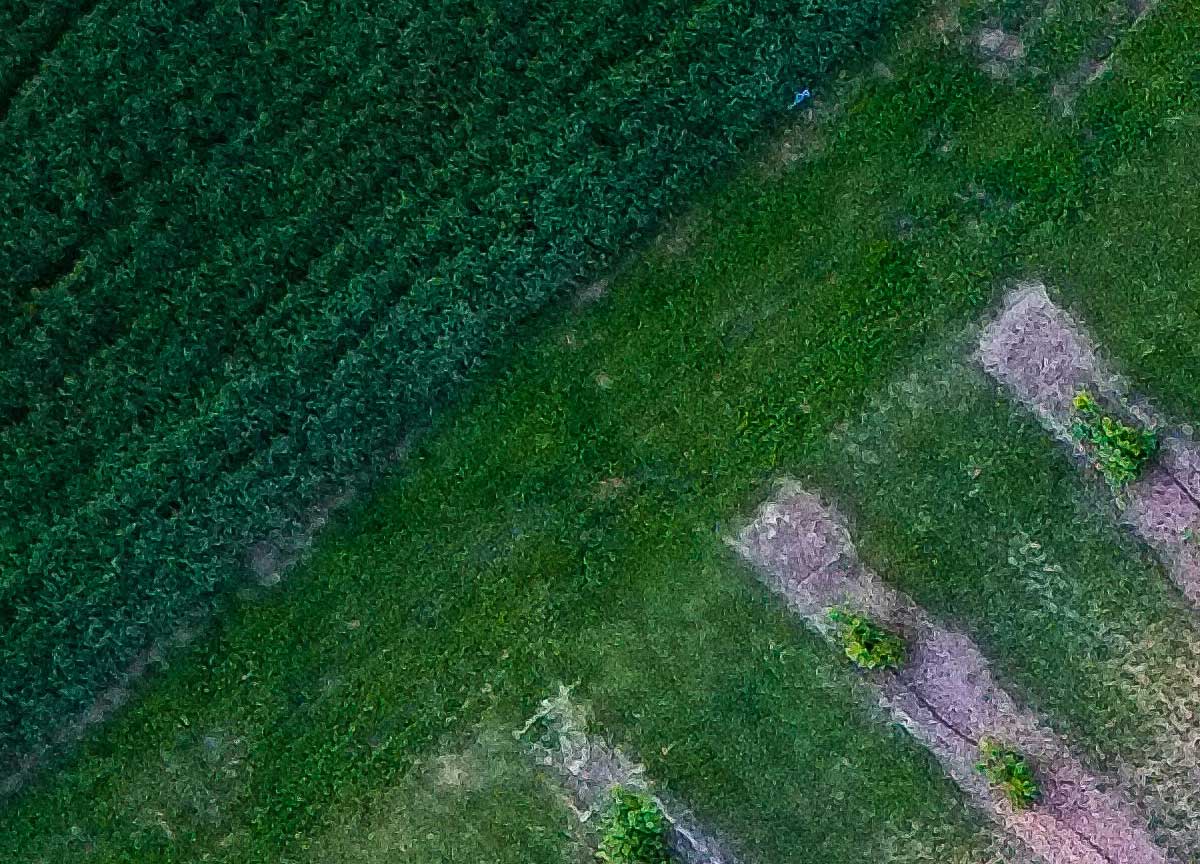
Food is where people and land meet, so it’s where Re:Vision North East begins. Erie County has always grown things other places wanted — grapes, fruit, juice — and that history is a strength to build on. But a 20th-century food system can’t carry a changing climate. Remaking it means re-localizing production and pairing old growing practices with new tools.
Evandale Farm, a certified regenerative operation, feeds the community, welcomes visitors, and teaches. Its produce reaches local markets and local tables. The aim is food that feeds North East first, and is special enough to draw people from well beyond it.

PILLAR 02
Experiential Hospitality
A welcoming way of being
"If I were the mayor, my goal would be to get people into North East, to come in and spend their money here. But I also think money is needed to help people here enhance what they're doing."
– CRAFTER, NORTH EAST
Welcoming people — family, friends, strangers — is part of North East’s character. Tourism is down and the town has grown less connected; our work will change that. Hospitality runs through every project, from farm to lake to gallery to hotel, so residents and guests alike feel they’ve arrived somewhere that cares.
The centrepiece is reopening Haynes House Hotel: rooms for the night, gathering spaces for events, and good, local dining. Over time it becomes the largest node in a network of places to stay and meet, where a visitor might watch a tanner at work, join a cheesemaker’s workshop, or hear an elder’s story.
PILLAR 03
Social Enterprise
Artfulness and integrity in business
"There's a lot of loyalty amongst North East locals towards North East businesses. If you can swing it, I think you'd rather buy from a North East business."
– LOCAL STORE MANAGER, NORTH EAST
North East is an entrepreneurial place: farms, businesses large and small, craft sold from the front room. Lately more windows are shuttered and young people leave to find work. Turning that around takes anchor projects and a community-centred way of doing business, with good jobs and local prosperity as the goal.
Our own buildings are the first customers. A hotel needs mugs, quilts, furniture, food, electricians, caterers — so we buy local, hire local, and where something doesn’t exist yet, help start it. Philanthropic capital gets it going; businesses that trade with each other keep it resilient. The links between them are the mortar between the bricks.
SMALL TOWN INITIATIVES
North East, Pennsylvania.
This is where we're building a model for renewal that honors heritage while shaping a sustainable future. What we learn here will be shared with other regions in the future.
We started by understanding the town as a whole system: how it feeds itself, how water moves through it, where its energy comes from, what its main street is for, what brings people here, and what keeps them. From that picture we chose a handful of projects where a modest investment could shift the whole system.
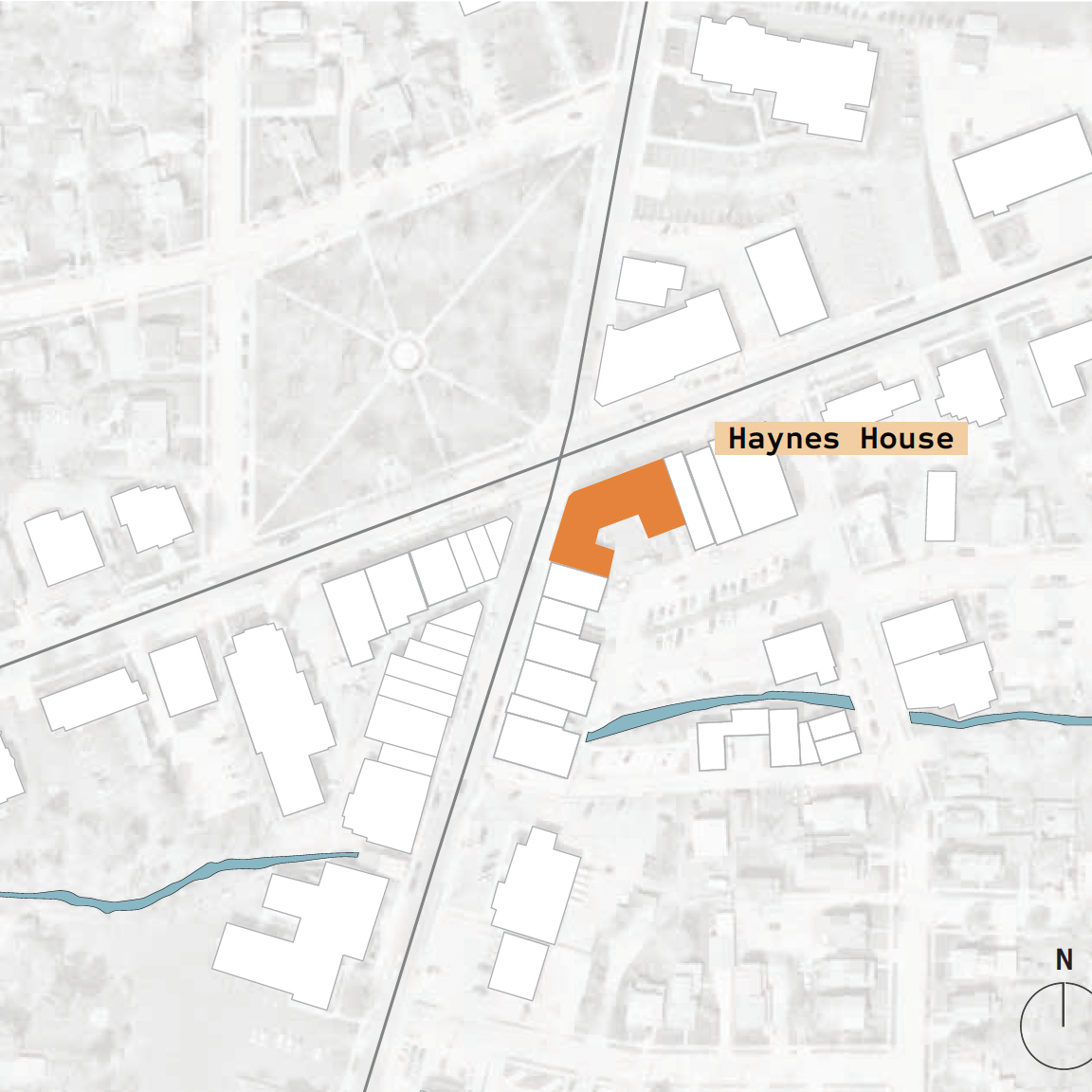
Haynes House
The center of North East’s downtown; a place for residents to gather and celebrate special occasions, and a home base for visitors to discover the charms of the town and surrounding region.
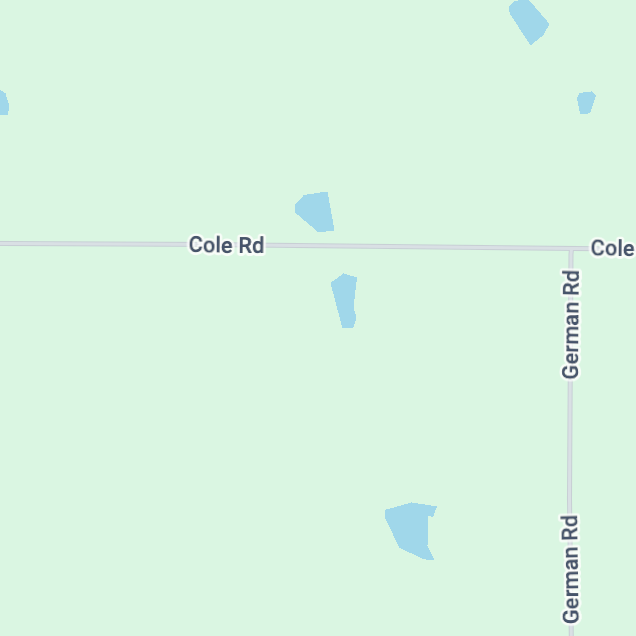
Evandale Farm
Agricultural tradition and innovation come together in a vital, beautiful 425 acre regenerative farm that feeds the community and offers new educational and exploratory experiences.
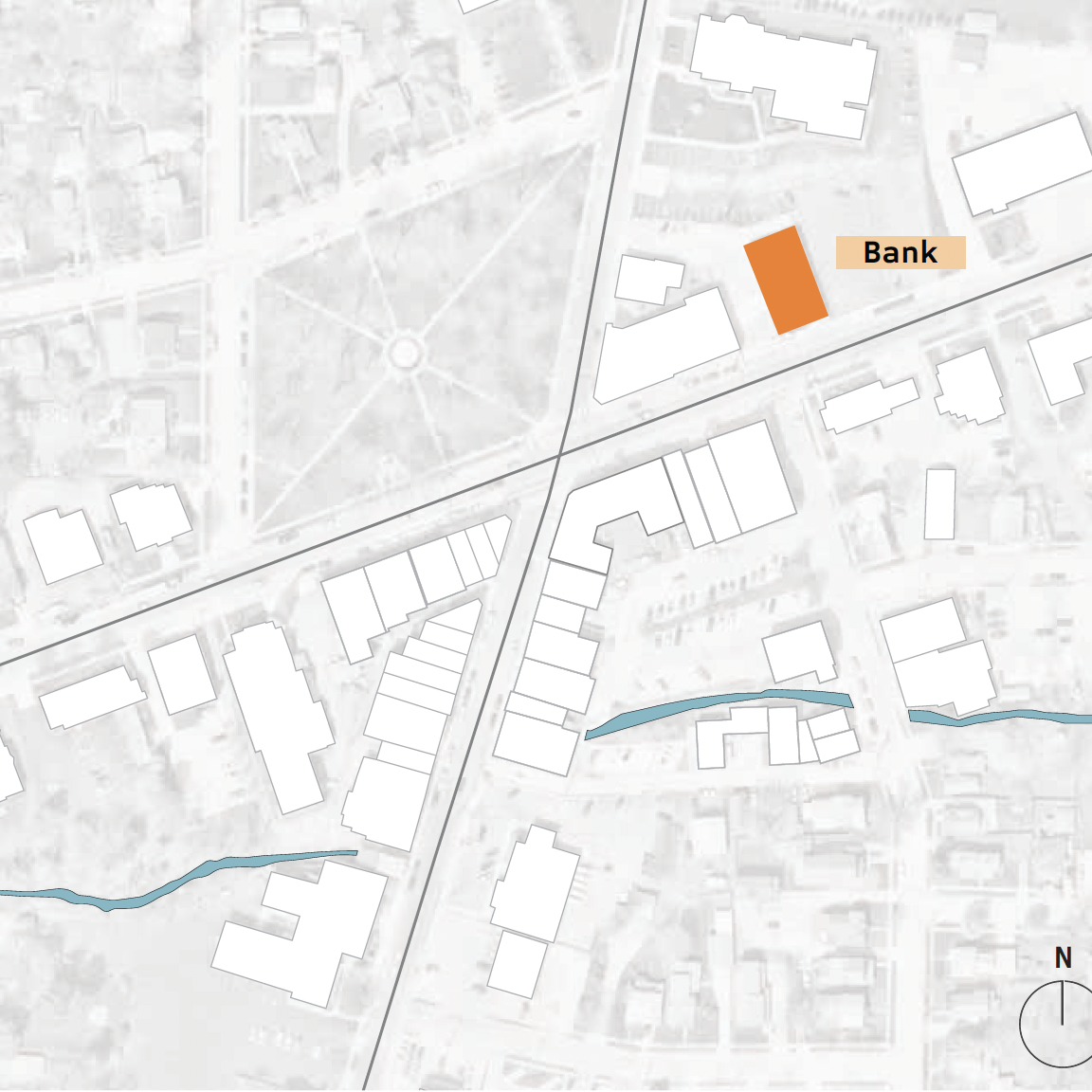
Bank Building Brewery
Alcohol brewed and served. Mostly to paying customers.
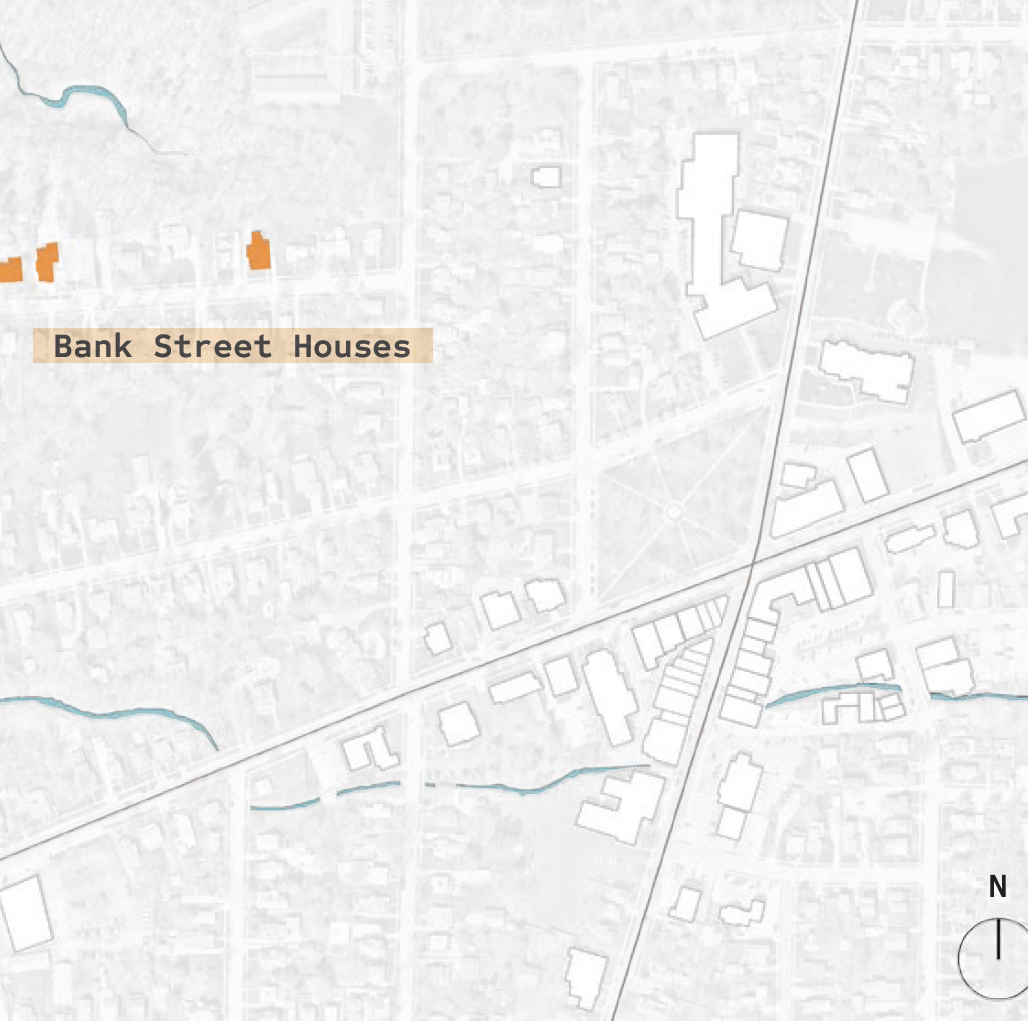
Bank Street Art Houses
Residences are reimagined as studio work spaces that enable, enhance, and showcase creativity. A feeling of discovery and surprise pulls visitors down the street, each house different from the last.
RURAL INSTITUTE · A PROPOSAL
Rural regions are most of our landmass but a fraction of our research and investment.
The Rural Institute is Re:Vision's proposal for a research institute devoted to rural life as a complex, living system: long-horizon science paired with design, innovation, and implementation in the field.
Rural communities keep the country fed, watered, and powered, and they are keepers of culture, identity, and know-how. Yet research remains focused on cities. The Institute would be based in North East and would study the systems small towns depend on — community and resilience, rural development, complexity and sustainability, energy, food systems, technology, and work — and turn what it learns into tools any town can use.
It’s a big idea. We’re looking for partners, funders, and researchers who want to help build it.
URBAN RE:VISION · ARCHIVE
Where we started: bold what-ifs about the future of cities.
Re:Vision was founded in San Francisco in 2005 as Urban Re:Vision, a think tank asking what a truly sustainable city block could be. It grew into an international movement of design competitions and workshops — Re:Volt on energy, Re:Route on getting around, Re:Store on local commerce, Re:Connect on community, and Re:Construct on how we build — and culminated in Re:Vision Dallas, which put those ideas to work on a real city block.
We were asking questions about regenerative design a decade and a half before they became common ground. The archive holds that work: the briefs, the entries, the toolkit, and what we learned.
CHALLENGES
The questions that guide our investment.
Each challenge is a real question from a real place.
We put it out in the open so designers, researchers, growers, and neighbors can work on it alongside us.
CHALLENGE 01 · NORTH EAST, PA
How do you create a hyper-local, year-round food supply?
North East grows an abundance of one crop for a few months of the year. What would it take for a small town to feed itself — fresh, local, diverse, and affordable — all twelve months? We’re mapping the food system as it is today, from field to plate, to find the leverage points where a modest change could shift the whole year.
ABOUT RE:VISION
Renewal that comes from within.
We are reimagining what’s possible for small towns. Re:Vision is a nonprofit that helps communities renew themselves — by taking a fresh look at the place, the people, and the systems already there, and designing what comes next together.
Our history
Re:Vision was founded in San Francisco in 2005, built on bold what-ifs about the future of cities. It grew into an international movement of design competitions and workshops on sustainable city blocks and community connection.
Today we’re taking everything we learned and applying it to the challenges facing small towns across America — beginning with North East, Pennsylvania.
Why North East
North East is where our founder grew up, so we know it from the inside. It’s also a lot like thousands of other American small towns: proud of its heritage, rich in land and water, and looking for what comes next. What we learn here can help thousands of other small towns across America.
Our theory of change
Lasting change comes from within a community, not from outside it. So we don’t arrive with a plan. We arrive with a framework and a design process, and we take another look at what’s already there — the food systems, the water systems, the buildings, the businesses, the culture — inside the bioregion that sustains them.Rather than one big fix, we look for the leverage points: the few places where a modest, well-placed investment lets the whole system thrive. Social life, the local economy, ecological wellbeing, and culture and tourism rise together, or not at all.
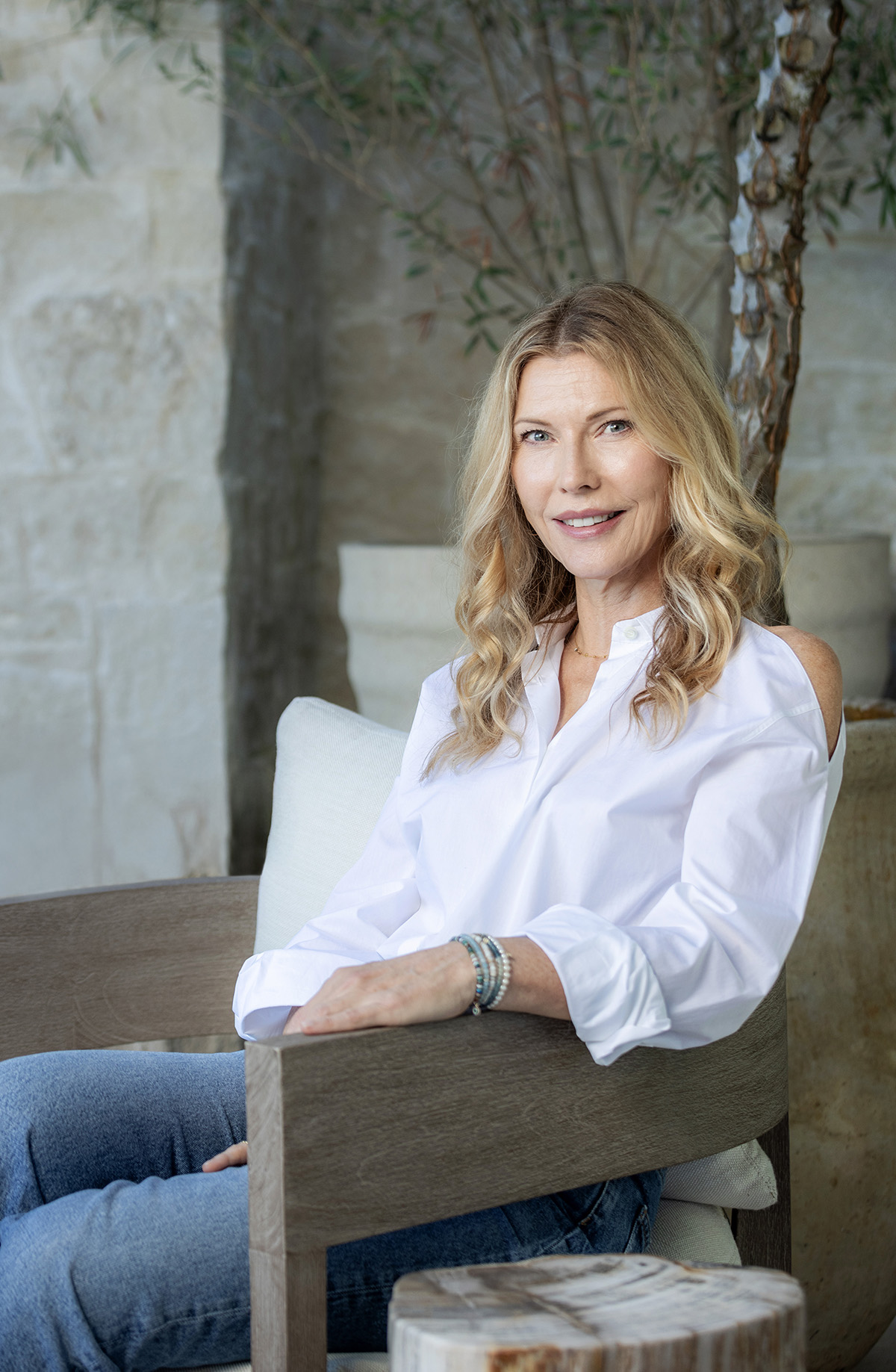
FOUNDER
Stacey Frost
Stacey Frost is the founder of Re:Vision, a global initiative transforming environmental, energy, and design challenges into opportunities for community renewal. She has spent her career bridging science, innovation, and design to create healthier, more resilient communities.
A graduate of Princeton University with a focus in neuropsychology, Stacey began her career as an options trader on the American Stock and Options Exchange before earning her graduate degree in clinical developmental psychology from Bryn Mawr College. Her curiosity and drive have taken her from Japan to Philadelphia to San Francisco, where her work restoring historic homes evolved into a mission to embed environmental consciousness into urban design.Stacey founded Re:Vision in San Francisco in 2005, built on bold what-ifs about the future of cities. It grew into an international movement of design competitions and workshops focused on sustainable city blocks and community connection, asking questions about regenerative design a decade and a half before they became common ground.Today, Stacey is extending that work to small towns, beginning with the revitalization of her hometown, North East, Pennsylvania, where she is crafting a replicable model for renewal that honors heritage while shaping a sustainable future.
In March 2026 the Women’s Earth Alliance appointed Stacey a Global Ambassador for her work in systems design and community regeneration.